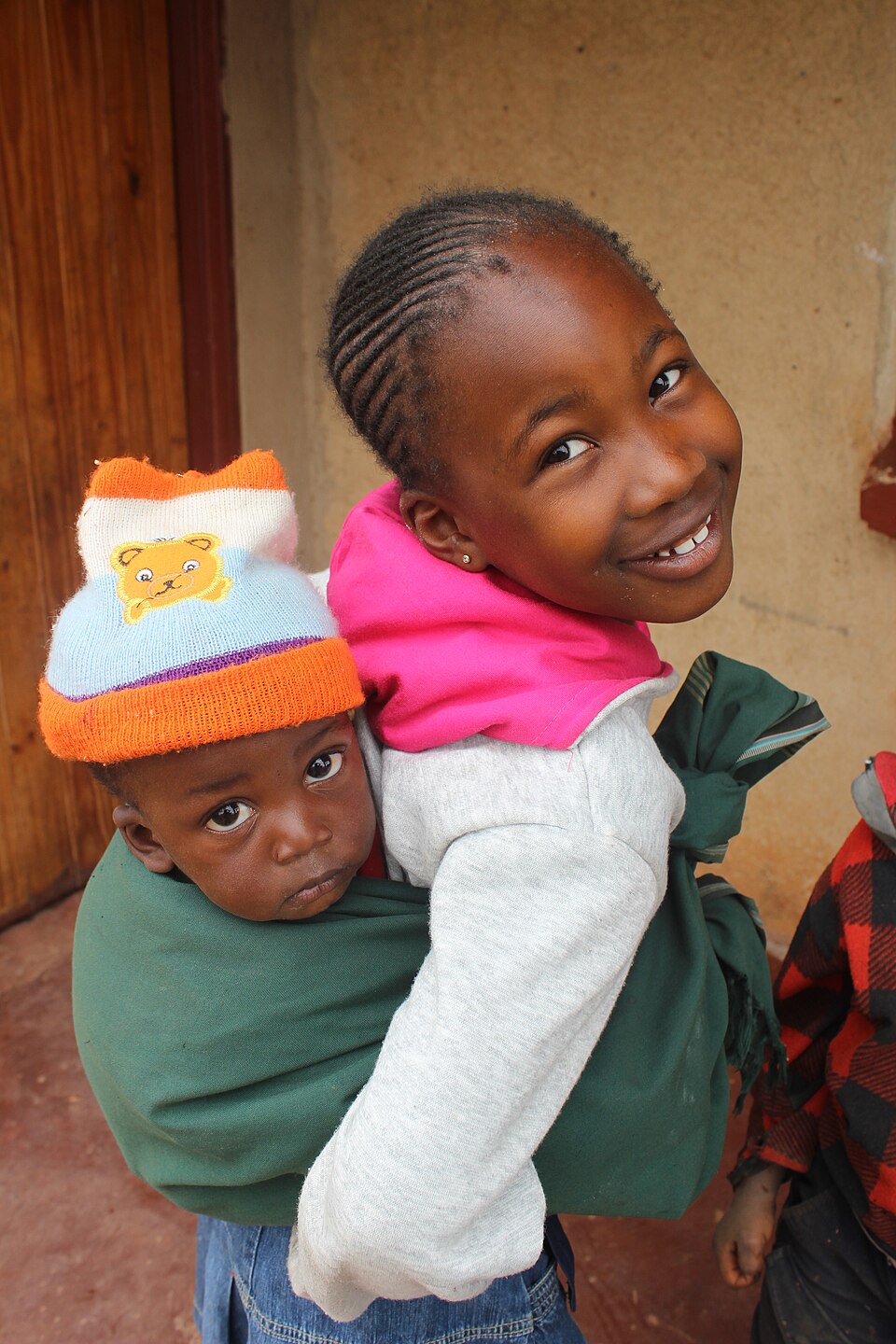
Full vs. Half Siblings: Unpacking Genetic Connections & Family Ties
The term 'sibling' conjures images of shared childhoods, inside jokes, and perhaps the occasional squabble. Fundamentally, a sibling is one of two or more individuals who share at least one parent in common. Tracing its roots back to the Old English word sib, meaning kinship or blood relation, the term has evolved to specifically denote brothers and sisters born into the same family unit. Beyond this basic definition, however, lies a fascinating complexity, particularly when distinguishing between full and half siblings. While both share a unique, often lifelong bond, their genetic blueprint and the dynamics of their relationships can differ significantly.
Understanding these distinctions goes beyond mere biology; it delves into the very fabric of family life, influencing identity, emotional well-being, and social development. Whether sharing both parents or just one, sibling relationships are foundational, often enduring longer than other familial ties and playing a profound role in shaping who we become from our earliest years through adulthood. Let's explore the intricate genetic connections and the rich tapestry of family ties that define these essential relationships.
Understanding the Genetic Tapestry: Full vs. Half Siblings
At the heart of distinguishing between full and half siblings lies the fascinating world of genetics. Our biological makeup is a unique blend of our parents' DNA, and the proportion of this shared genetic material forms the scientific basis of our relatedness. This genetic similarity isn't just a number; it often underpins societal perceptions and personal understanding of family connections.
The Full Sibling Connection
Full siblings share both a biological mother and a biological father. As a result, they are considered first-degree relatives, sharing approximately 50% of their genetic material on average. This figure arises because each child receives half of their nuclear DNA from the mother and half from the father. Due to the random assortment of genes during meiosis (the process of forming reproductive cells), the specific combination of alleles (gene variations) each child inherits will vary, ensuring that even full siblings, apart from identical twins, are genetically unique individuals despite their significant shared heritage.
This substantial genetic overlap often contributes to physical similarities, shared predispositions to certain traits or health conditions, and a deeper sense of biological kinship. The 50% shared DNA is a powerful biological link that often reinforces the deep, inherent connection many full siblings feel from birth.
The Half-Sibling Relationship
Half-siblings, by contrast, share only one biological parent – either the mother or the father. This means they inherit genetic material from one common parent, while the genetic contribution from their other, unshared parent is entirely different. Consequently, half-siblings share an average of approximately 25% of their genetic material. This level of genetic relatedness is similar to that of an aunt/uncle and niece/nephew, or grandparents and grandchildren.
While the genetic bond is quantitatively less than that of full siblings, it is no less valid. The shared parent contributes half of their genetic material to each child, forming a direct, albeit partial, genetic link. In an increasingly common world of blended families, the half-sibling relationship is a vital and often cherished form of kinship. It challenges traditional notions of family, emphasizing that shared experience and emotional connection can be as, if not more, potent than genetic percentages.
A Note on Twins
When discussing biological siblings, it's worth briefly touching on twins, who represent special cases of close relatedness. Identical twins (monozygotic twins) develop from a single fertilized egg that splits into two embryos. They share nearly 100% of their genetic material, making them the closest genetically related siblings possible. Fraternal twins (dizygotic twins), however, develop from two separate eggs fertilized by two separate sperm. Genetically, they are no more similar than any other full siblings, sharing approximately 50% of their DNA.
Beyond DNA: The Psychology of Sibling Bonds
While genetics provide a fundamental framework for understanding sibling relationships, the true depth and complexity emerge when we consider the psychological and sociological dimensions. The daily interactions, shared histories, and emotional investments create bonds that transcend mere biological percentages, shaping individuals and families in profound ways.
Dynamics of Companionship, Rivalry, and Support
Sibling relationships are a unique crucible for personal development, often characterized by a rich interplay of companionship, rivalry, and unwavering support. From an early age, siblings serve as a child's first peer group, offering unparalleled opportunities to develop crucial social skills, empathy, and conflict resolution abilities. Studies suggest that children with siblings often exhibit greater agreeableness and sympathy compared to only children, underscoring the formative impact of these early interactions.
However, this closeness doesn't come without its challenges. Sibling rivalry is a common dynamic, emerging as early as age three and affecting a significant majority of siblings—up to 85% through verbal conflicts and 40% through physical aggression. While these clashes can be a source of stress for both children and parents, they also serve as vital lessons in negotiation, boundary-setting, and resilience. Over time, navigating rivalry can often foster even closer bonds and a deeper understanding of one another. As they grow, siblings often become a lifelong source of support, a confidante, and a shared keeper of family memories. To delve deeper into these complex interactions, explore Beyond Rivalry: The Lasting Benefits of Sibling Connections.
Impact on Development and Identity
The influence of siblings extends far beyond childhood, playing a key role in shaping an individual's identity, emotional well-being, and even long-term health outcomes. These relationships provide a mirror, reflecting aspects of ourselves and challenging us to grow. They contribute significantly to our sense of belonging and self-worth. Positive sibling interactions in adulthood have been linked to reduced risks of depression and anxiety, highlighting the enduring protective power of these connections.
Whether navigating personal triumphs or facing life's challenges, a sibling's perspective, empathy, and unwavering presence can be invaluable. They witness our evolution, share our history, and often understand us on a level unmatched by others. The varying structures of sibling relationships—full, half, step, or adoptive—each contribute uniquely to these developmental pathways, reinforcing their significance as fundamental building blocks of family structure and sources of both strength and occasional stress throughout life. For more insights on this, consider reading Sibling Dynamics: Shaping Identity: From Childhood to Adulthood.
Nurturing All Sibling Relationships
In today's diverse family landscapes, the traditional nuclear family is just one of many configurations. Blended families, adoptive families, and various other structures mean that sibling relationships come in many forms, each deserving of support and understanding. Nurturing these bonds, regardless of their genetic foundation, is crucial for individual well-being and family cohesion.
Practical Tips for Parents and Siblings
Creating an environment where all sibling relationships can thrive requires conscious effort and empathy:
- For Parents:
- Avoid Comparisons: Each child is unique. Comparing them, especially across full and half-sibling lines, can foster resentment and diminish self-esteem.
- Foster Fairness, Not Sameness: Children need to feel treated fairly, which doesn't always mean identically. Meet individual needs rather than enforcing strict equality.
- Encourage Open Communication: Create safe spaces for children to express their feelings about their relationships, challenges, and joys.
- Facilitate Shared Experiences: Organize activities that all siblings can enjoy together, building common memories and fostering teamwork.
- Validate All Relationships: Acknowledge and respect the unique dynamics of each sibling pair, whether full, half, or step.
- For Siblings (and Adults with Siblings):
- Practice Empathy: Try to understand your sibling's perspective, especially if their experiences or family backgrounds differ from yours.
- Communicate Respectfully: Address conflicts directly but kindly, focusing on solutions rather than blame.
- Celebrate Differences: Recognize and appreciate what makes each sibling unique, rather than trying to force conformity.
- Invest Time: Make an effort to spend quality time together, even as adults. These shared moments strengthen bonds.
Embracing Diverse Sibling Structures
The strength of a sibling bond is not solely determined by the percentage of shared DNA. While genetic connections provide a biological framework, it is the shared experiences, emotional support, mutual respect, and consistent presence that truly forge unbreakable ties. Half-siblings, much like step-siblings or adoptive siblings, demonstrate that love and family connection can grow beyond traditional biological definitions. In blended families, the integration of half-siblings can be a powerful lesson in adaptability, unconditional love, and the expansion of one's family circle.
Embracing the diversity of sibling structures means recognizing that every unique connection enriches the family narrative. It's about celebrating the bonds formed through shared parenting, shared homes, and shared lives, understanding that these relationships are invaluable sources of support, identity, and lifelong companionship.
Conclusion
Whether full or half, siblings play an irreplaceable role in the human experience. While the genetic distinction of sharing approximately 50% or 25% of DNA provides a biological foundation, it is the intricate dance of shared experiences, emotional support, and the enduring nature of their connection that truly defines these relationships. From early childhood development, where siblings teach us the nuances of social interaction and conflict resolution, to adulthood, where they stand as lifelong companions and pillars of support, their impact is profound.
The modern family unit continues to evolve, embracing diverse structures that redefine kinship. In this landscape, understanding and nurturing all forms of sibling relationships—be they full, half, step, or adoptive—becomes paramount. Ultimately, the strength of a sibling bond isn't measured by genetic similarity, but by the love, shared history, and mutual commitment that link individuals together, forming an indispensable part of our identity and well-being throughout life.