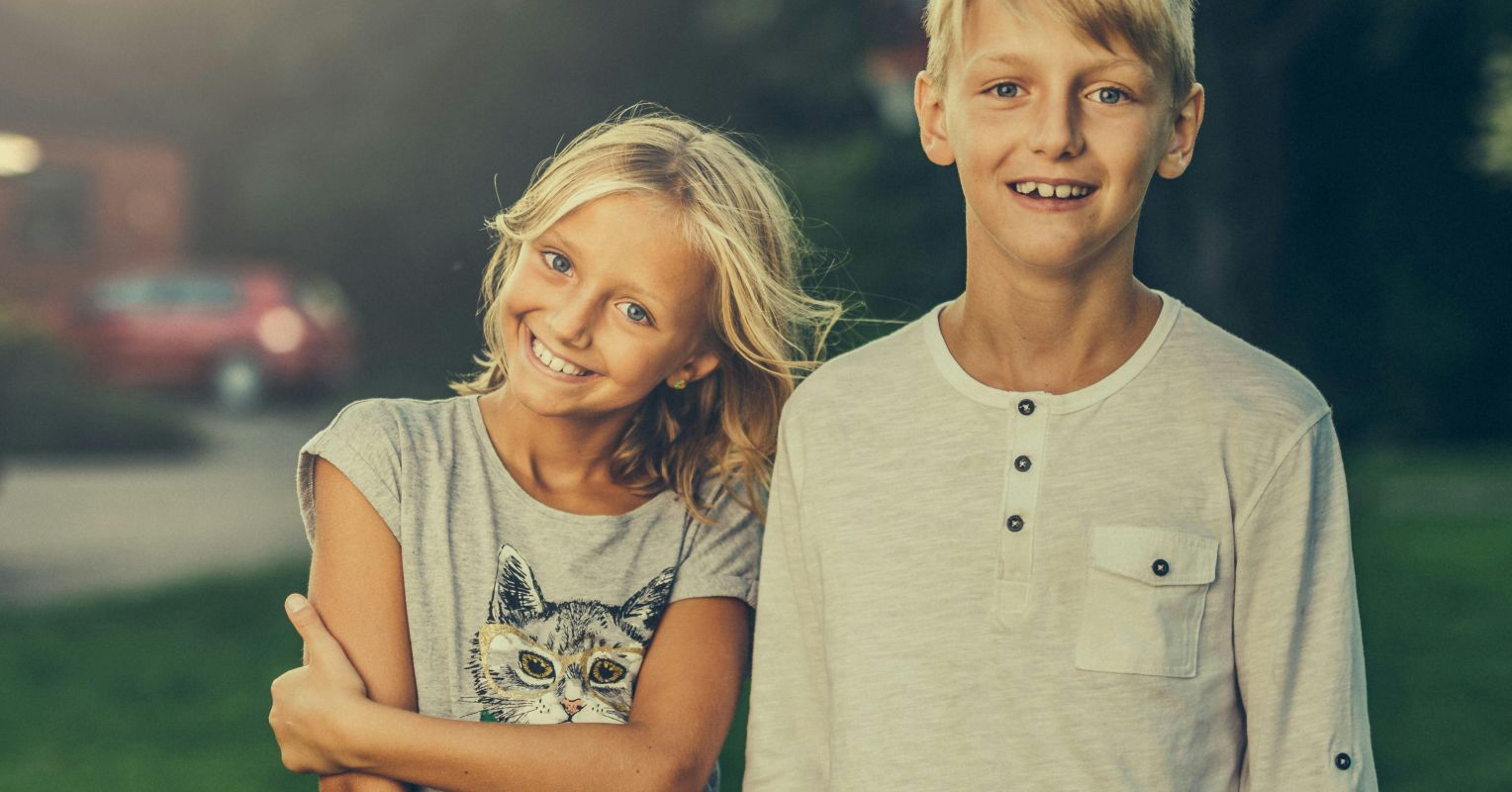
Few relationships in life are as fundamental, enduring, and multifaceted as those we share with our siblings. From the earliest days of childhood to the quiet reflections of old age, these unique bonds weave an intricate tapestry that profoundly shapes who we become. A sibling, simply put, is one of two or more individuals who share at least one parent in common – be it a brother or a sister. The term itself is rooted in the Old English word “sib,” which originally denoted kinship broadly, but by the early 20th century, it evolved to specifically refer to children within the same immediate family unit. More than just a biological connection, the sibling relationship serves as a lifelong laboratory for personal growth, emotional development, and identity formation.
The Enduring Tapestry of Sibling Connections
The concept of a sibling extends far beyond a simple familial label; it represents a foundational element of our personal and social development. These relationships, often the longest-lasting of our lives, offer a continuous source of companionship, support, and sometimes, challenging rivalry. Interacting with brothers and sisters provides an unparalleled environment for children to develop crucial social skills, empathy, and effective conflict resolution strategies. Indeed, studies suggest that children raised with siblings tend to exhibit greater agreeableness and sympathy compared to only children, highlighting the profound impact these early connections have on personality and social competence. As we journey from the sandbox to shared adult responsibilities, the dynamics of these bonds evolve, but their influence on our emotional well-being and sense of self remains remarkably constant.
Unpacking Sibling Classifications and Genetic Bonds
While the emotional essence of a sibling bond is deeply personal, understanding its various classifications helps contextualize the unique dynamics that can arise. Broadly, siblings can be categorized based on their shared parentage, leading to distinct genetic connections.
- Biological Siblings: These individuals share a direct genetic link through one or both biological parents.
- Full Siblings: Born to the same mother and father, full siblings inherit genetic material from both shared parents. On average, they share approximately 50% of their DNA, making them first-degree relatives. This genetic similarity stems from receiving half of their nuclear DNA from each parent, though the specific combination of alleles varies, leading to their unique individual traits and appearances.
- Half-Siblings: Sharing only one biological parent – either the mother or the father – half-siblings typically share about 25% of their genetic material. The shared parent contributes half of the genetic material to each child, while the other parent's genetic contribution differs entirely.
- Twins: A special case of close biological relatedness, twins are either monozygotic (identical), developing from a single fertilized egg that splits and sharing nearly 100% of their DNA, or dizygotic (fraternal), developing from two separate eggs and sharing approximately 50% of their DNA, much like any other full siblings.
- Step-Siblings: These are children of one's stepparent from a previous relationship. They do not share biological parents but become family through marriage, sharing a household and often forming strong emotional bonds.
- Adoptive Siblings: Individuals who become siblings through the legal process of adoption, sharing a family unit, upbringing, and emotional connection without a direct biological link. These relationships are often as profound and formative as biological ones.
Regardless of the specific classification, the shared experiences, emotional ties, and daily interactions forge powerful bonds that often transcend genetic distinctions, proving that family is truly about connection, not just biology.
Sibling Dynamics: From Childhood Rivalry to Social Mastery
The shared childhood crucible of a sibling relationship is where many of life's most fundamental lessons are learned. From the moment a new sibling arrives, family dynamics shift, providing children with a unique training ground for navigating complex social landscapes.
Developing Essential Life Skills
Interactions with brothers and sisters are instrumental in honing crucial social skills that extend far beyond the family home. Children learn to share toys and attention, negotiate for privileges, cooperate on games, and empathize with another's feelings. This constant give-and-take fosters an early understanding of social cues and interpersonal boundaries. Studies have even indicated that children who grow up with siblings often exhibit greater agreeableness and sympathy compared to only children, underscoring the formative role these relationships play in emotional intelligence and prosocial behavior.
The Ubiquitous Phenomenon of Sibling Rivalry
Perhaps one of the most talked-about aspects of sibling dynamics is rivalry. Emerging as early as age three, sibling rivalry affects a significant majority of siblings—up to 85% experience verbal conflicts, and 40% engage in physical aggression. While challenging for both children and parents, this rivalry isn't inherently negative. In fact, it often serves as a vital developmental tool:
- Conflict Resolution: Sibling squabbles provide repeated opportunities to practice negotiation, compromise, and finding resolutions without adult intervention. These are invaluable skills for navigating future friendships, romantic relationships, and professional settings.
- Resilience Building: Learning to navigate disagreements, cope with unfairness (real or perceived), and bounce back from emotional upsets or feelings of jealousy fosters significant emotional resilience and toughness.
- Identity Formation: In the competitive dance of siblinghood, children often strive to carve out their own niche, developing unique interests, talents, and personalities distinct from their brothers or sisters. This differentiation is a cornerstone of individual identity, helping them understand who they are apart from their family role.
Through the push and pull of competition and camaraderie, children learn boundaries, test social norms, and ultimately deepen their understanding of themselves and others. These early interactions lay the groundwork for understanding friendship, love, and conflict in the wider world.
The Lifelong Echo: Sibling Influence on Adult Identity and Well-being
The foundational experiences forged in childhood with a sibling don't simply fade away; they echo throughout adulthood, profoundly influencing our identity, emotional well-being, and even long-term health. The bonds forged in shared history become a continuous thread through the tapestry of life, often enduring longer than other familial connections.
Sustained Support and Emotional Anchors
As adults, siblings often transition from playmates and rivals to confidants, advisors, and steadfast sources of support. They are witnesses to our entire life story, sharing a unique understanding of our family background, upbringing, and personal evolution. This shared history often translates into a deeper level of empathy and unconditional acceptance than found in many other relationships, offering a sense of belonging and rootedness.
- Reduced Health Risks: Positive sibling interactions in adulthood have been linked to significant benefits, including a reduced risk of depression and anxiety. The emotional support, sense of belonging, and companionship offered by siblings can act as a powerful buffer against life's stressors, promoting better mental and even physical health outcomes.
- Identity Reinforcement: Siblings often help us understand our place in the world. They can reflect aspects of our past, remind us of our core values, and even challenge our perspectives, contributing to a more nuanced and secure sense of self. Even in adulthood, a sibling can be a vital sounding board for life decisions, career changes, and personal challenges.
- Crisis Management: During major life events—celebrations, losses, illnesses, or family emergencies—siblings frequently step up to offer practical help, emotional solace, and a shared burden, proving that these connections can be sources of immense protection and resilience throughout life. They often form a crucial part of our extended support network.
The nature of these relationships may evolve with changing life circumstances, but their significance remains constant, serving as cornerstones of our extended family structure and personal support networks. To learn more about how these connections endure and thrive beyond early challenges, read: Beyond Rivalry: The Lasting Benefits of Sibling Connections.
Nurturing Sibling Bonds: Practical Insights for a Lifetime
Given the profound and lasting impact of sibling dynamics, actively nurturing these relationships is an investment in lifelong well-being. Whether you're a parent seeking to foster positive interactions or an adult looking to strengthen existing ties, here are some practical insights:
- For Parents Fostering Positive Sibling Relationships:
- Encourage Individual Interests: While shared activities are great, allow each child to pursue their unique passions and celebrate their individual accomplishments to reduce direct competition and foster individual identity.
- Avoid Comparisons: Refrain from comparing siblings, as this can fuel resentment, jealousy, and a sense of inadequacy. Celebrate each child's strengths and uniqueness equally.
- Teach Conflict Resolution: Instead of always intervening to solve problems, guide children through disagreements, helping them verbalize feelings, listen to each other, and find mutually agreeable compromises. This empowers them with essential life skills.
- Dedicate One-on-One Time: Ensure each child feels individually valued and seen by spending quality time with them alone, affirming their unique importance in the family.
- For Adult Siblings Cultivating Stronger Ties:
- Practice Active Listening: Truly hear and acknowledge your sibling's perspectives and feelings, even if you don't agree. Validation is key to maintaining mutual respect.
- Embrace Forgiveness: Childhood grievances or past conflicts can linger. Be willing to forgive, let go of old hurts, and focus on building a stronger present relationship.
- Prioritize Connection: Make a conscious effort to stay in touch, whether through regular calls, visits, shared hobbies, or virtual hangouts. Consistency reinforces the bond.
- Offer Unconditional Support: Be there for your siblings during triumphs and struggles, offering a listening ear, practical help, or simply your unwavering presence and empathy.
- Appreciate Differences: Recognize that while you share a history, you are distinct individuals. Value and respect each other's unique life paths, choices, and perspectives, even when they diverge from your own.
Remember, like any significant relationship, sibling bonds require effort, understanding, patience, and love to truly flourish. The rewards, however, are immeasurable: a lifelong companion, a shared historical perspective, and an unwavering source of connection that enriches life beyond measure.
Conclusion
The journey of a sibling relationship is a remarkable testament to the power of shared experience and enduring connection. From the playful squabbles of childhood that teach us resilience and social grace, to the quiet wisdom and unwavering support exchanged in adulthood, siblings are architects of our identity. They are our first friends and often our longest-lasting allies, shaping our emotional landscape, honing our social skills, and providing an invaluable anchor throughout the ebb and flow of life. Nurturing these vital bonds is not just about family obligation; it's about investing in a profound, irreplaceable source of belonging and personal growth that enriches us from our earliest days to our very last.